
Please note this page may take a moment to load because of the large number of images below.
This blog is a look at the Sony A7s low light capabilities. The low light capabilities have already been bragged on all over the web, but I wanted to see a side by side comparison with the Red Epic and Panasonic GH4.
As an Epic owner, almost every production situation the Red goes into it performs quite well … with the exception of ultra low light. The capabilities that are coming out now are starting to really turn heads! It’s fairly common knowledge that the Mysterium-x sensor in the Epic hasn’t dominated the low light space. It has many many awesome features, but super low light hasn’t been it’s strong point.
As all of these new tweets, blogs, and videos started emerging with the A7s, my interest was grabbed and I had to know how the Red compared against the new breed! It’s not totally an apples to apples comparison because each camera has strong suites, and no camera (that I know of) is the best at everything. The Mysterium-x sensor is also many years old now. There have been some touting that Red’s Dragon sensor performs better in low light. I don’t own a Dragon camera or have immediate access to one, so for now I can’t say!
A very special thank you to Dave Dugdale for inviting me over to check out the Sony A7s and the GH4!
Check out the screencapture below to see the explanation of our process and my thoughts on how the cameras compare:
Below are some screenshots that will give you an idea of how these cameras compare in a low light environment!
Setup
Our setup was using a Tamron 24-70 F2.8 on the Red Epic and A7s (via metabones adapter) and the 12-35 F2.8 on the GH4. All cameras were set to 2800k. We used Dave’s iphone at full brightness to key his face and the rest of the room was dark.
Click on any images below to see a 1080p resolution version.
First up, let’s see how the cameras do at 1600 ISO
1600 ISO
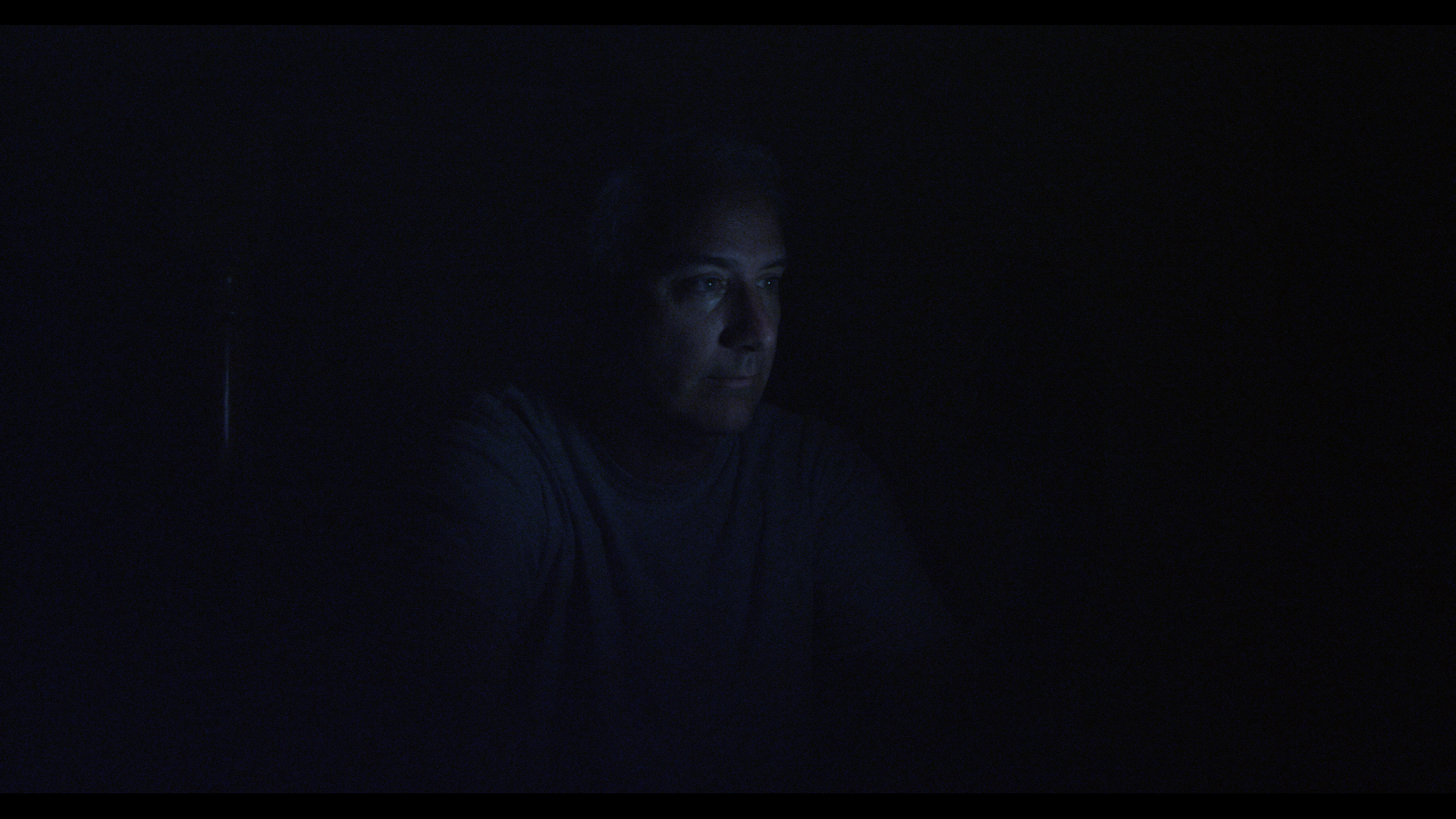
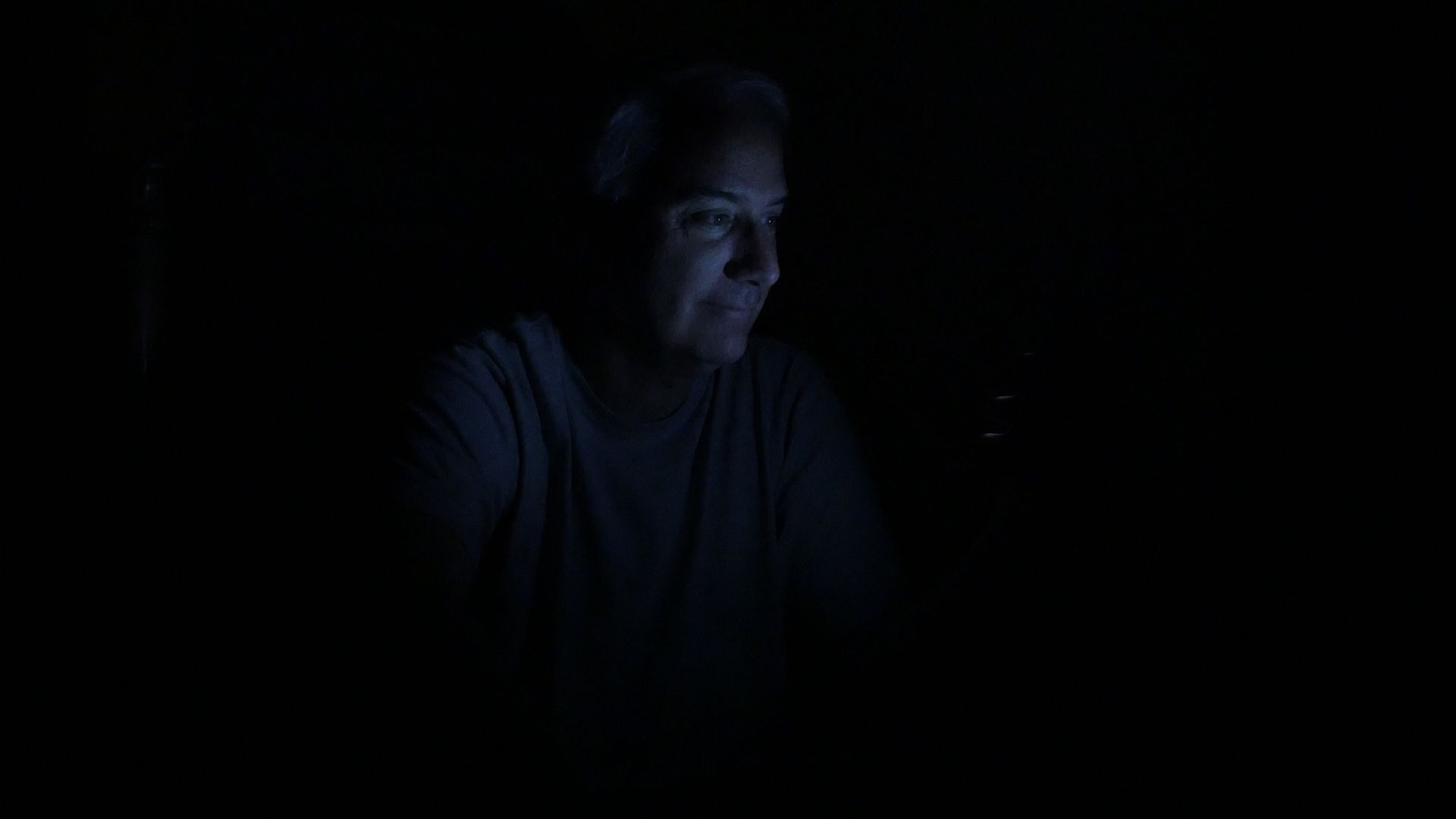
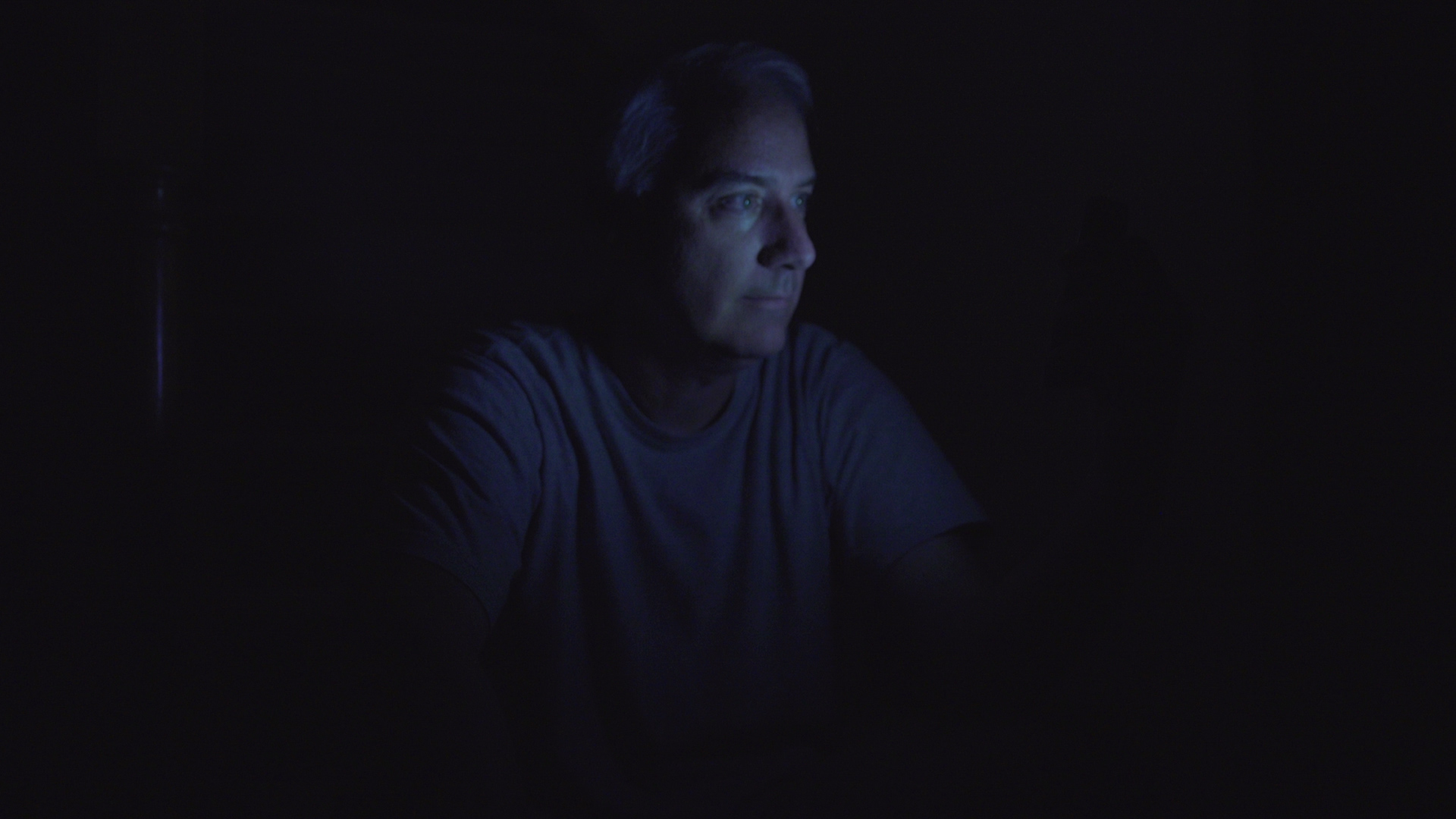
3200 ISO
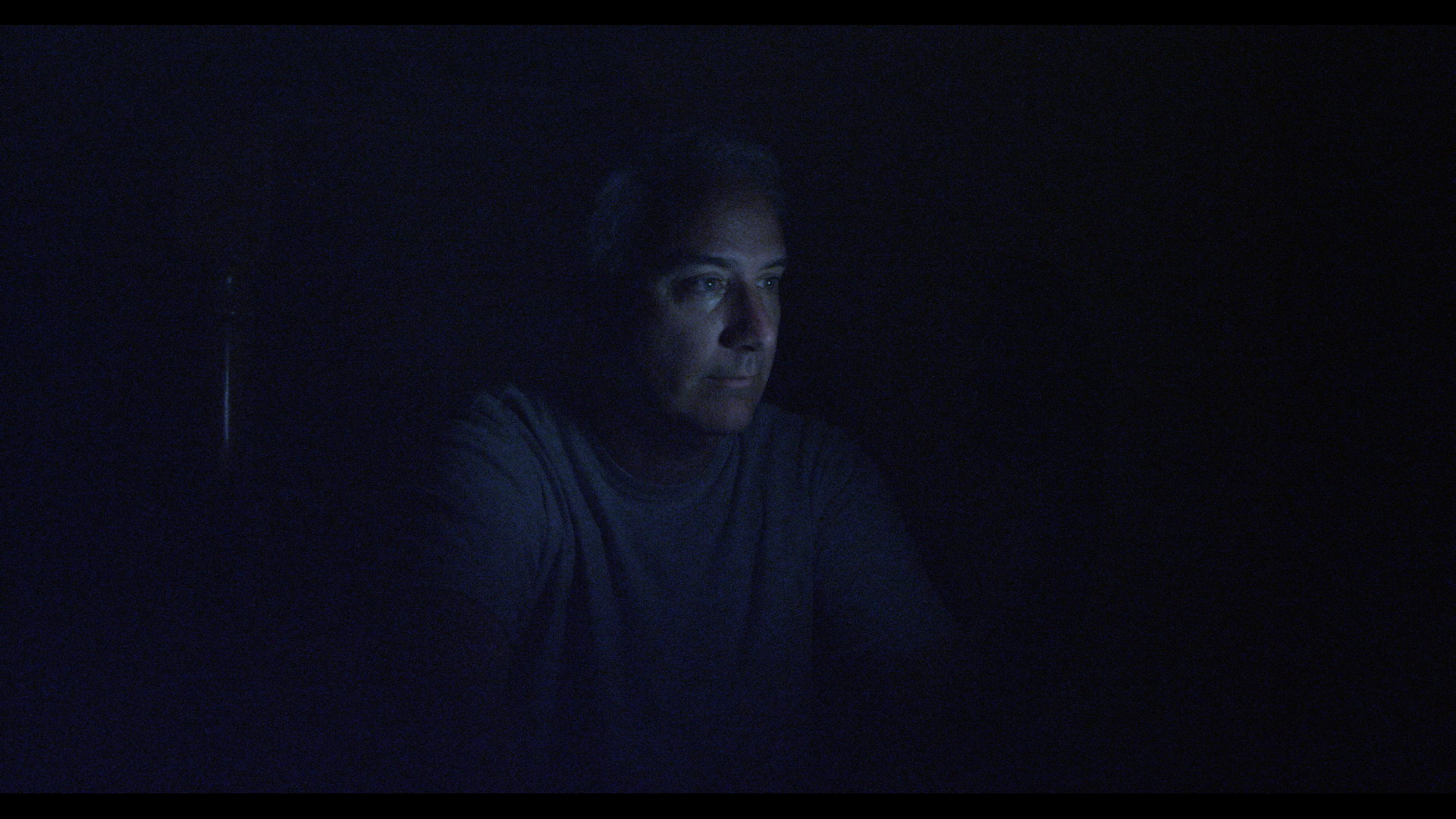
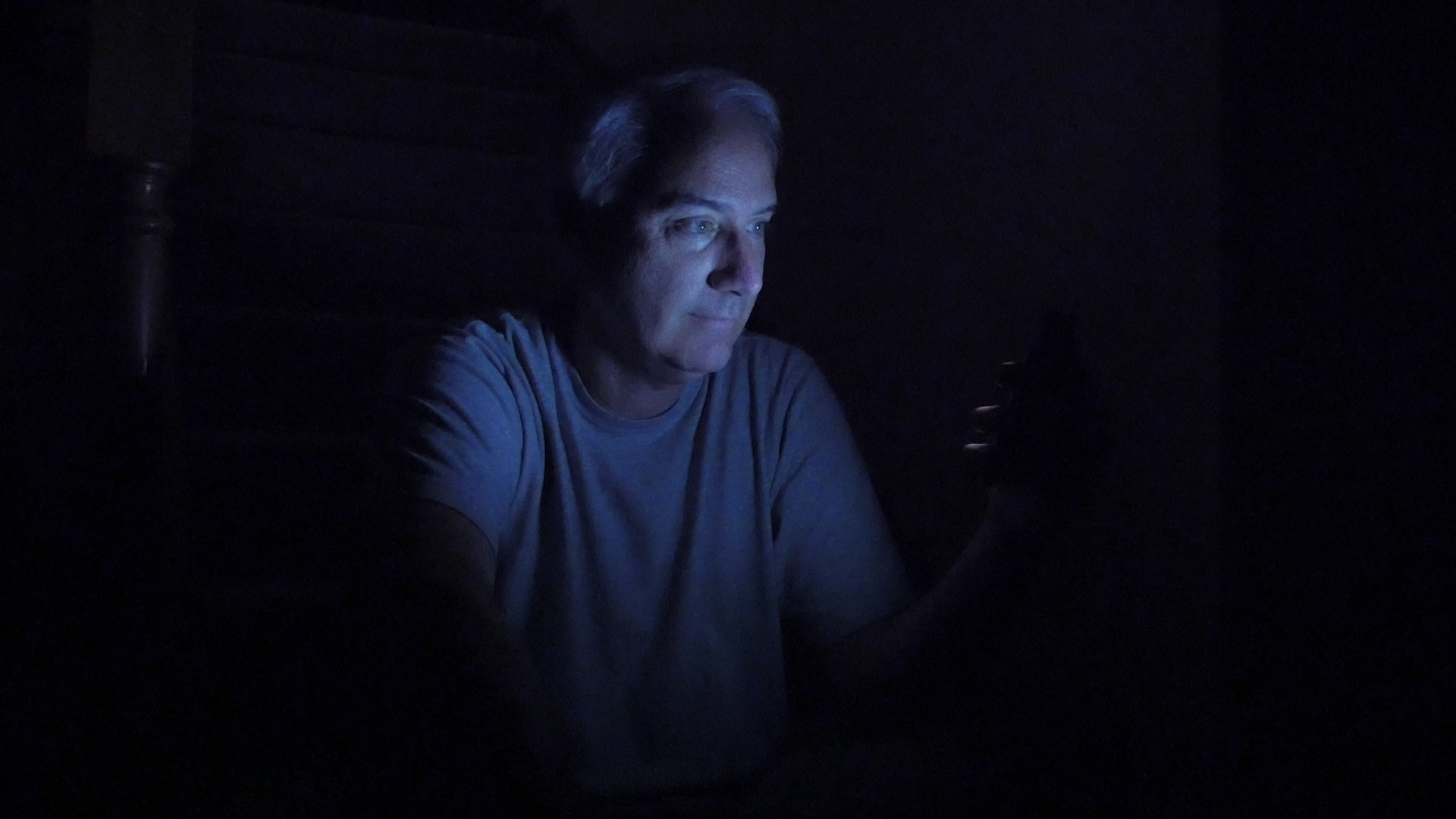
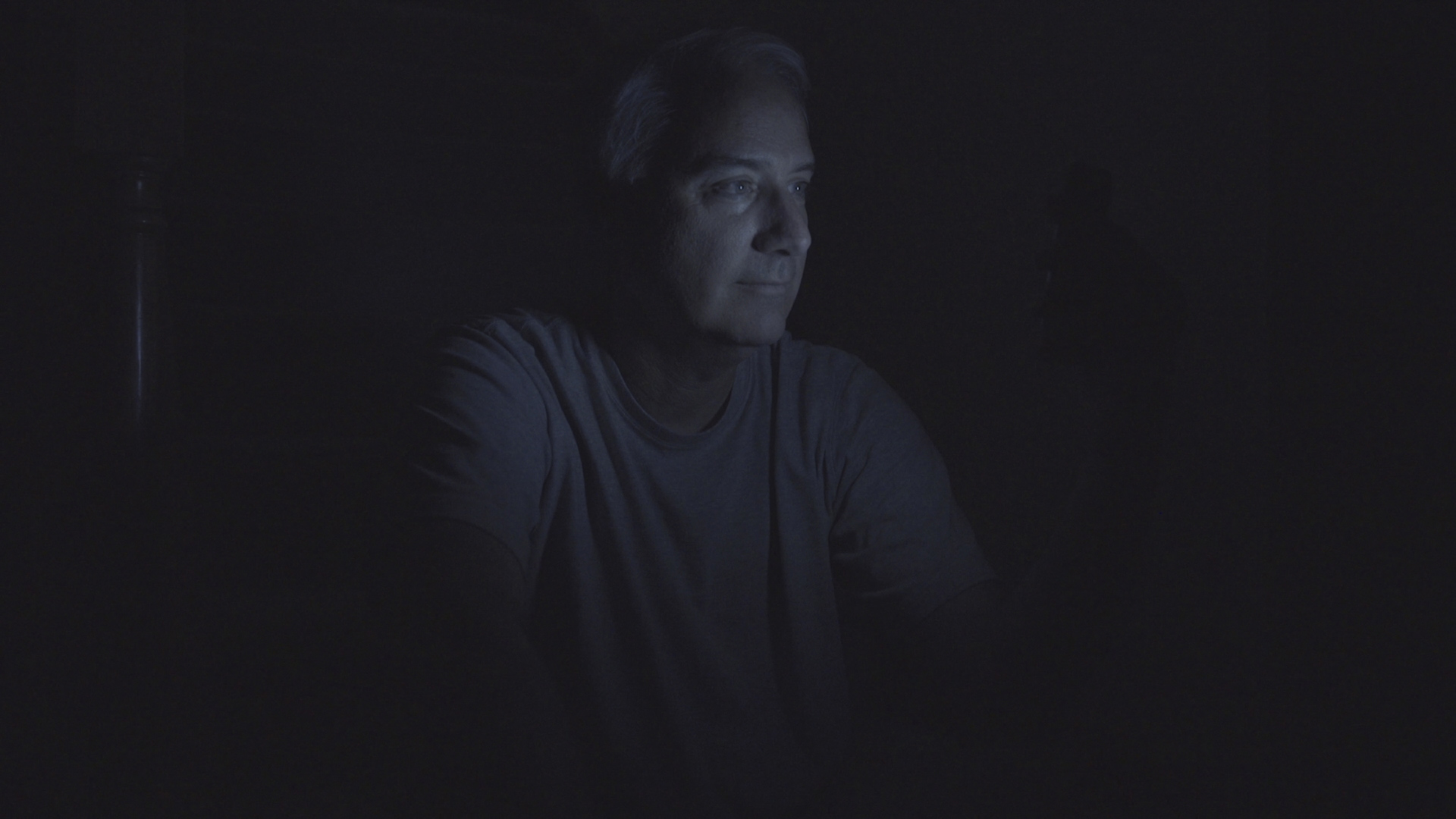
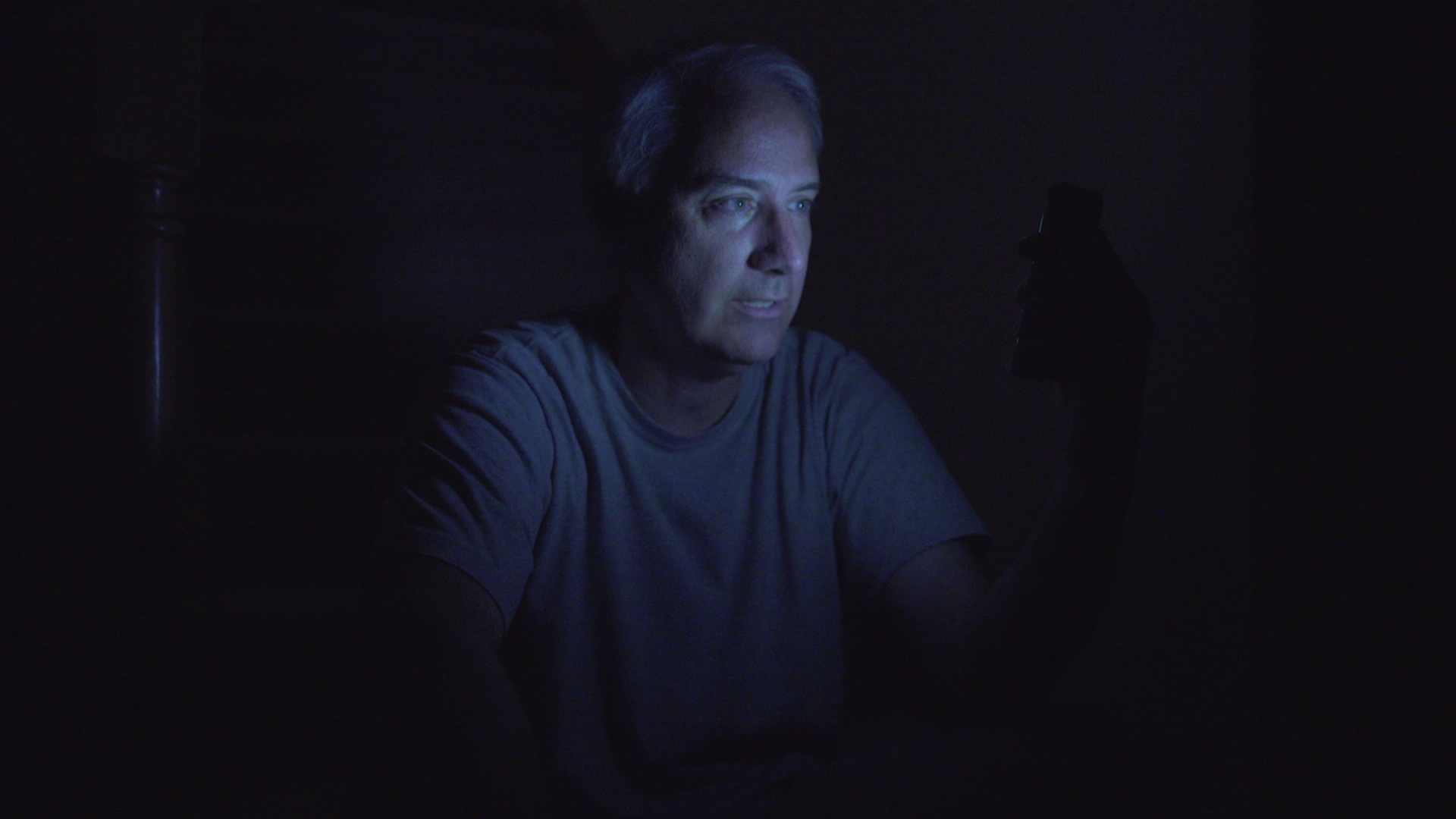
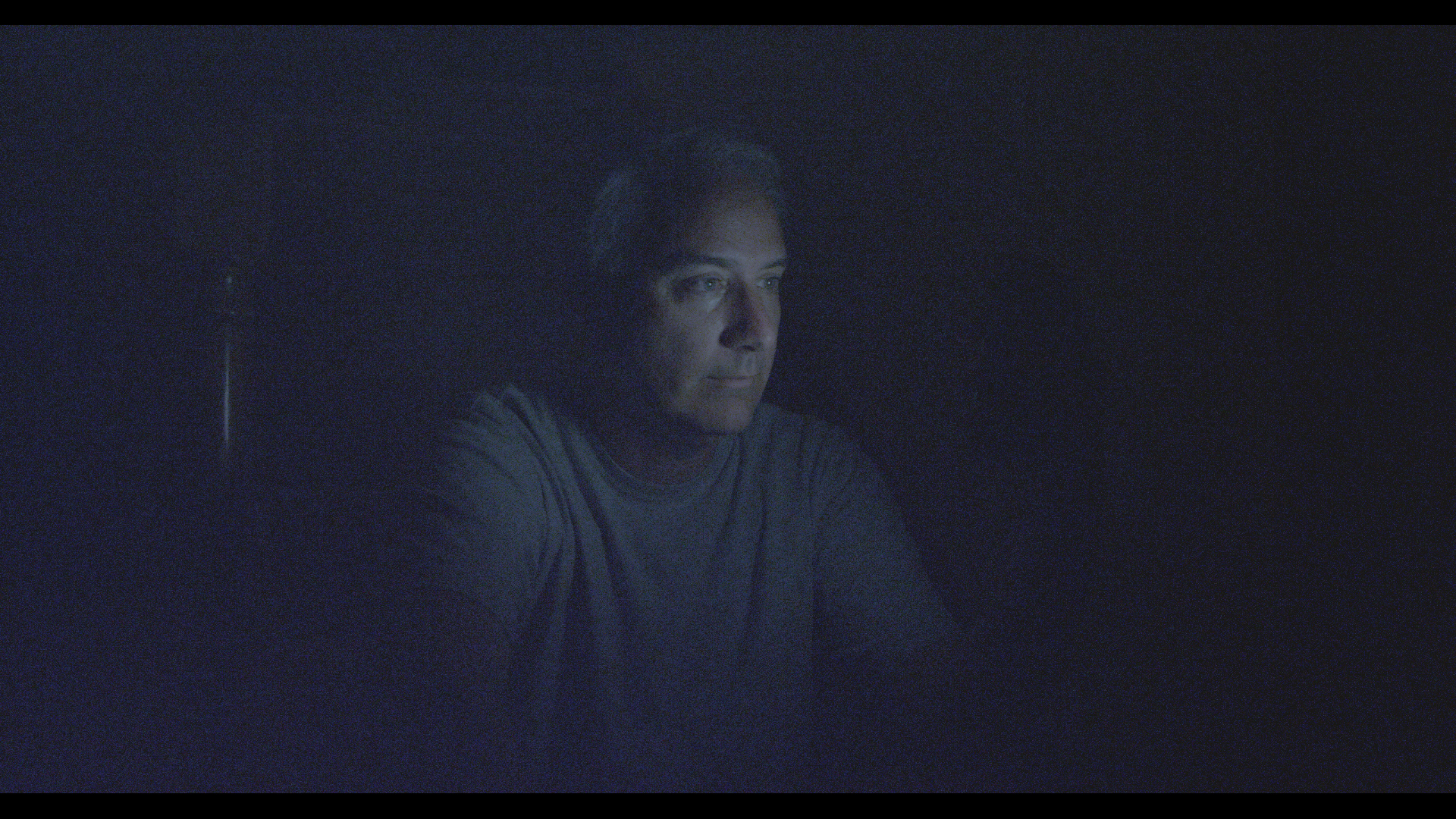
So there we have our 1600 and 3200 ISO tests. Beyond this, I thought it would be worthwhile to check out how the A7s performs at very high ISOs. I feel like the sweet spot is right between 12800-25600. I feel comfortable shooting these ISOs and noise reducing if necessary, but truly they are phenomenal for how much low light they capture!
ISO 12800
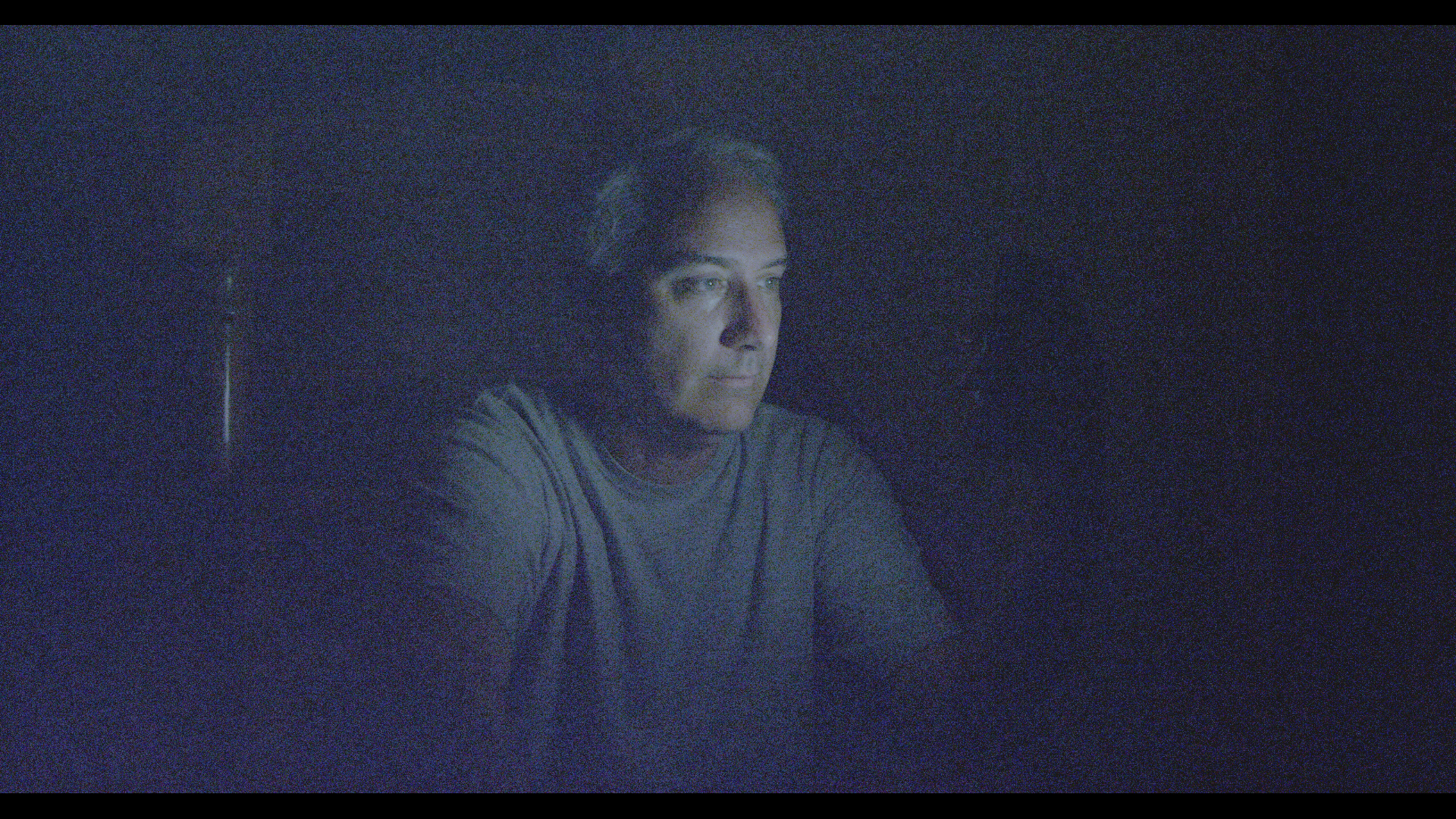
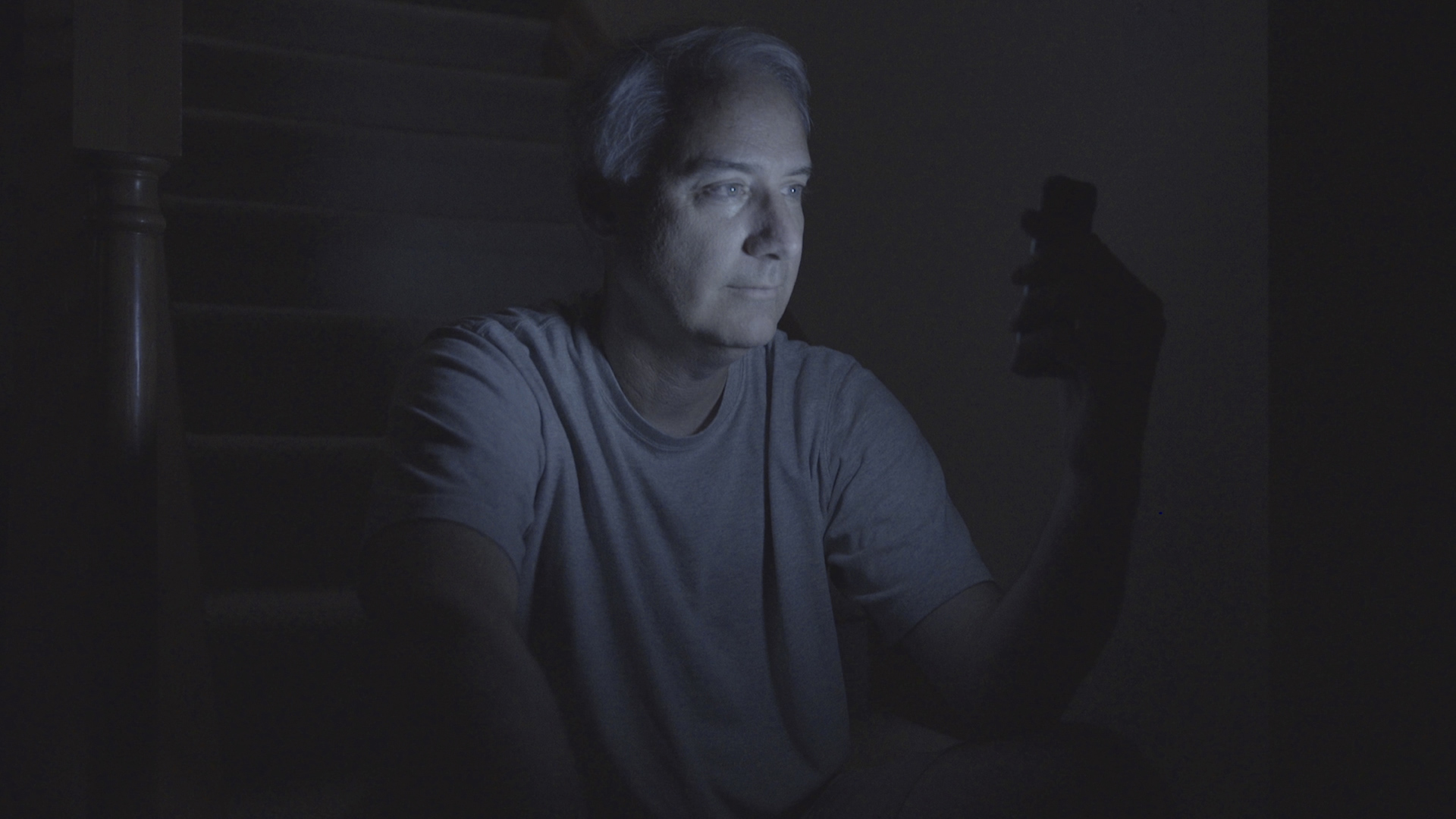
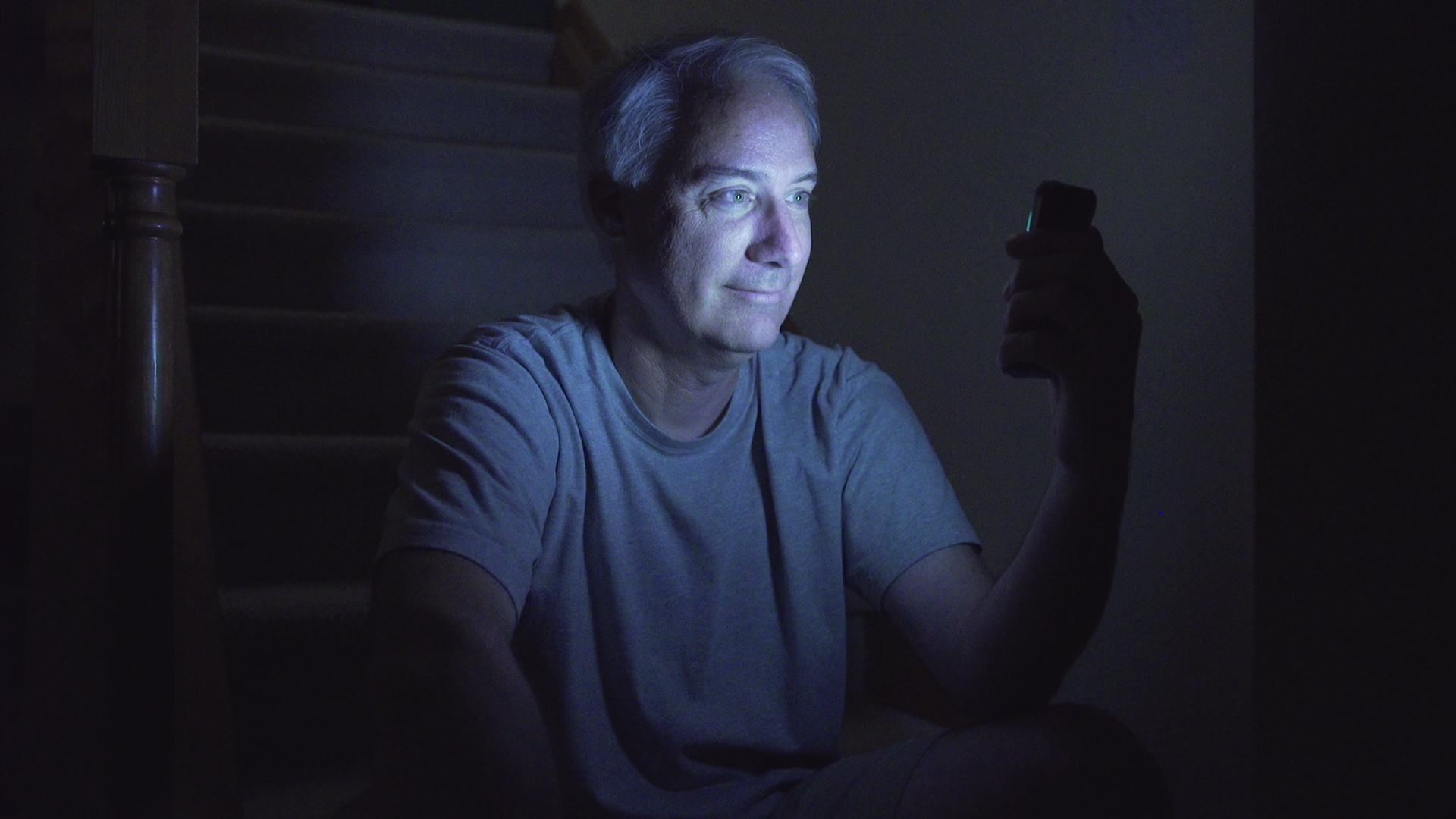
You can see at this point the true gains the A7s has made in low light. Additionally worth noting, the highlight preservation on the A7s in SLOG mode is incredible! Especially in the next examples. It’s too bad that the only internal option for recording is 8 bit. 8 Bit and s-log can spell disaster in grading… with banding, compression artifacts and such. It’s best to have some kind of external recorder to take advantage of the slog recording option in most scenarios.
ISO 25600
At this point, I just left the comparison between two different gamma options in the A7s. The Red only allows you to select 12800 ISO, and at this point it was just fun to see how far the A7S could be pushed.
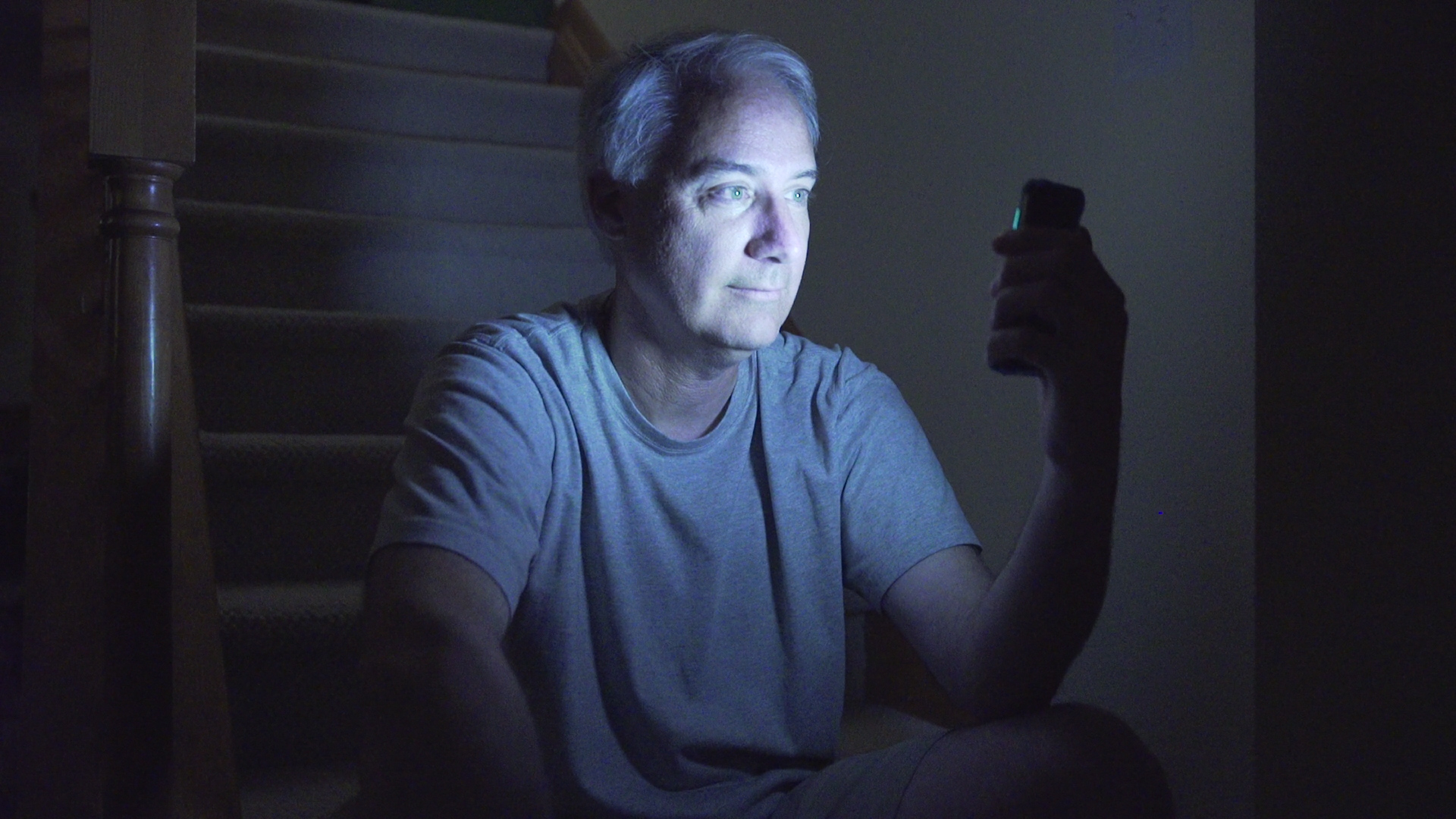
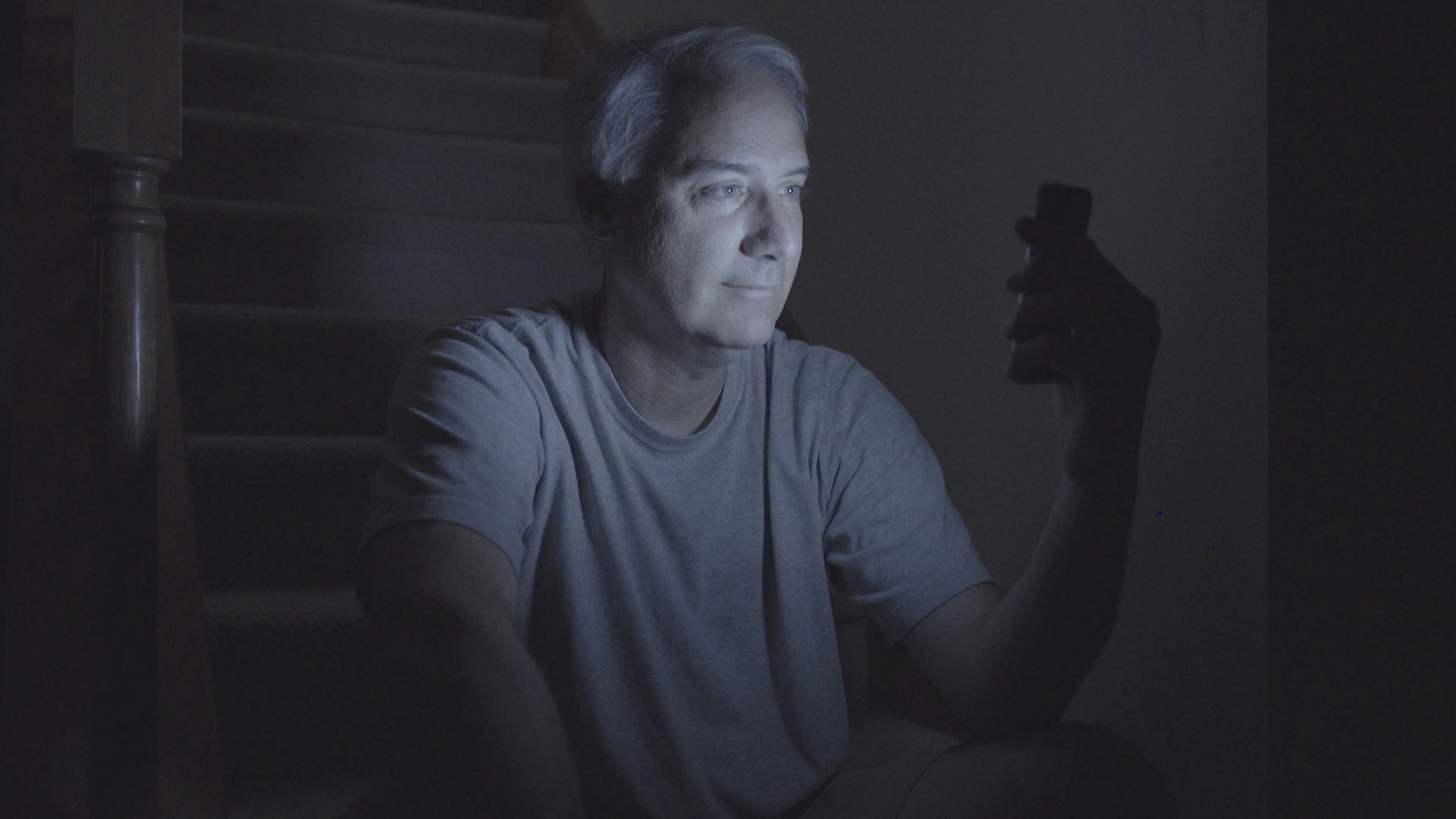
And beyond….
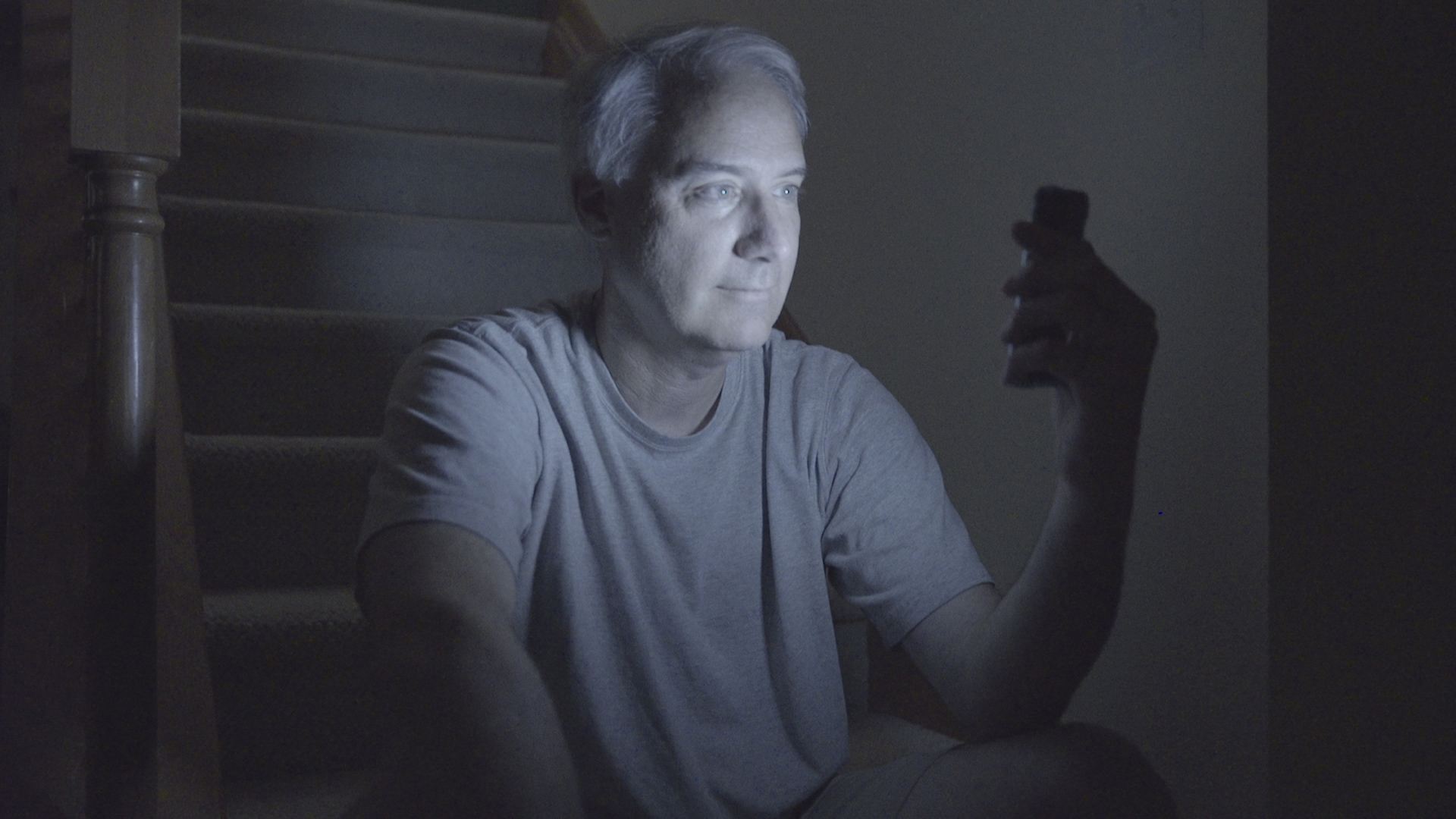
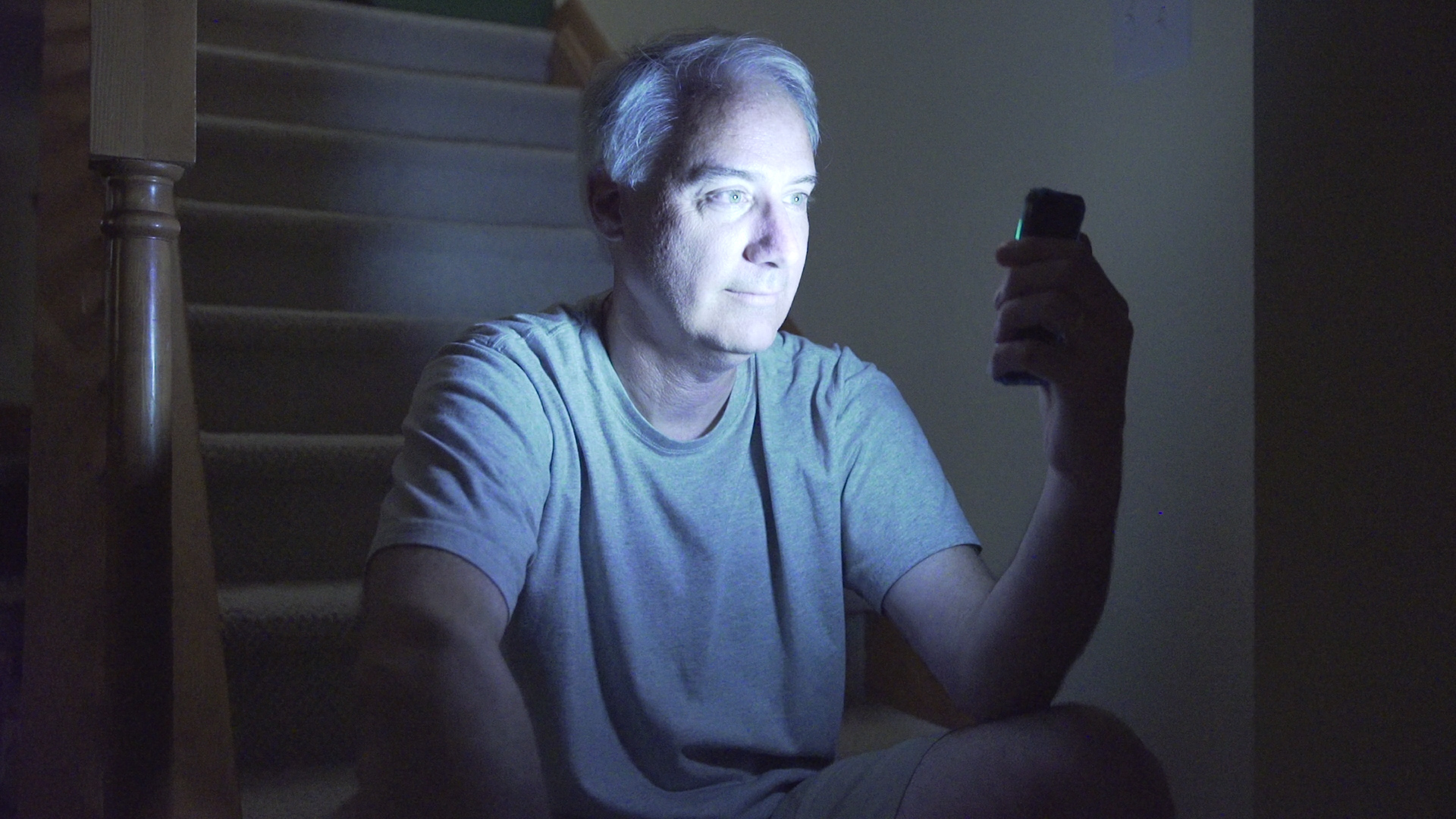
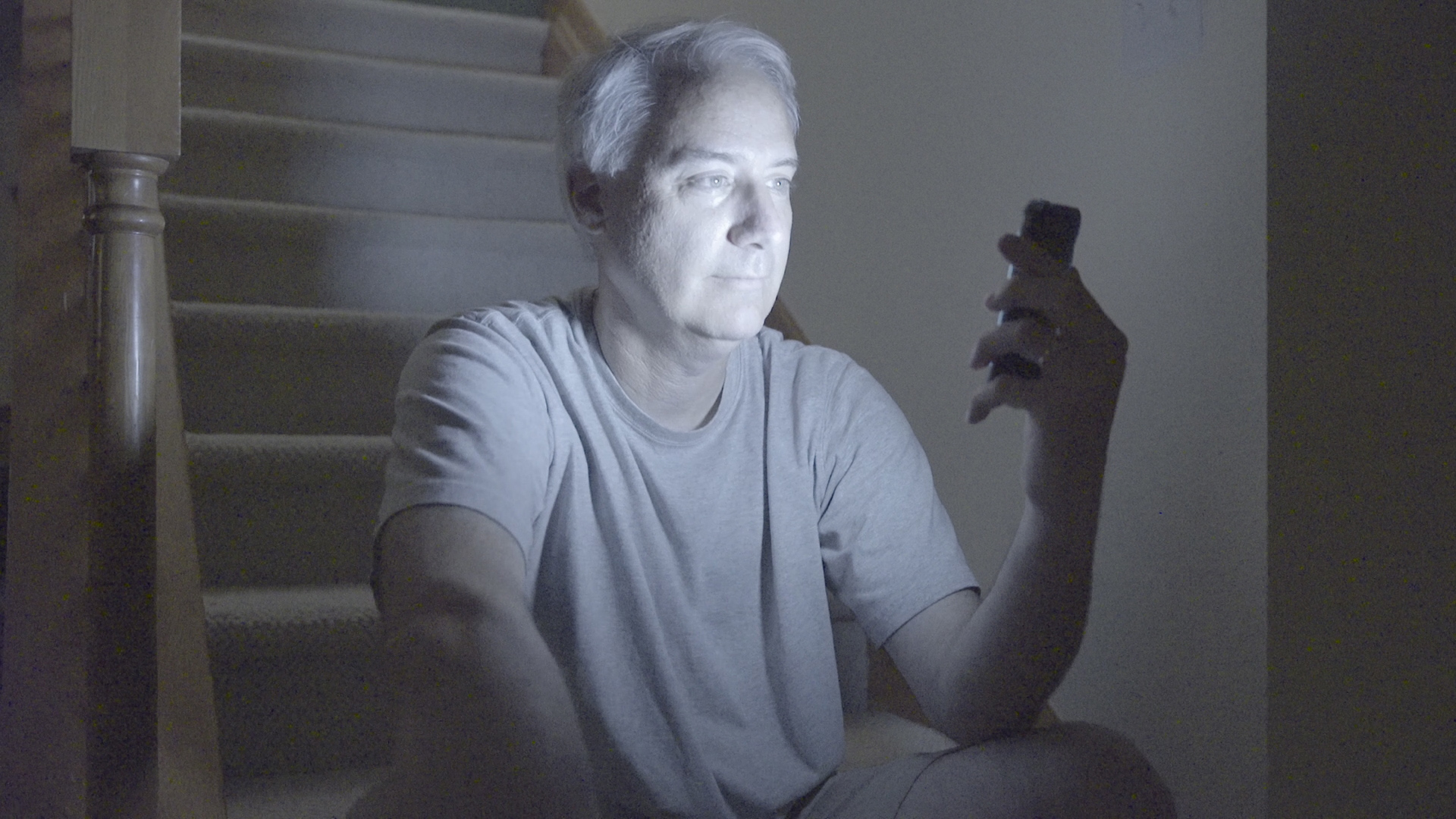
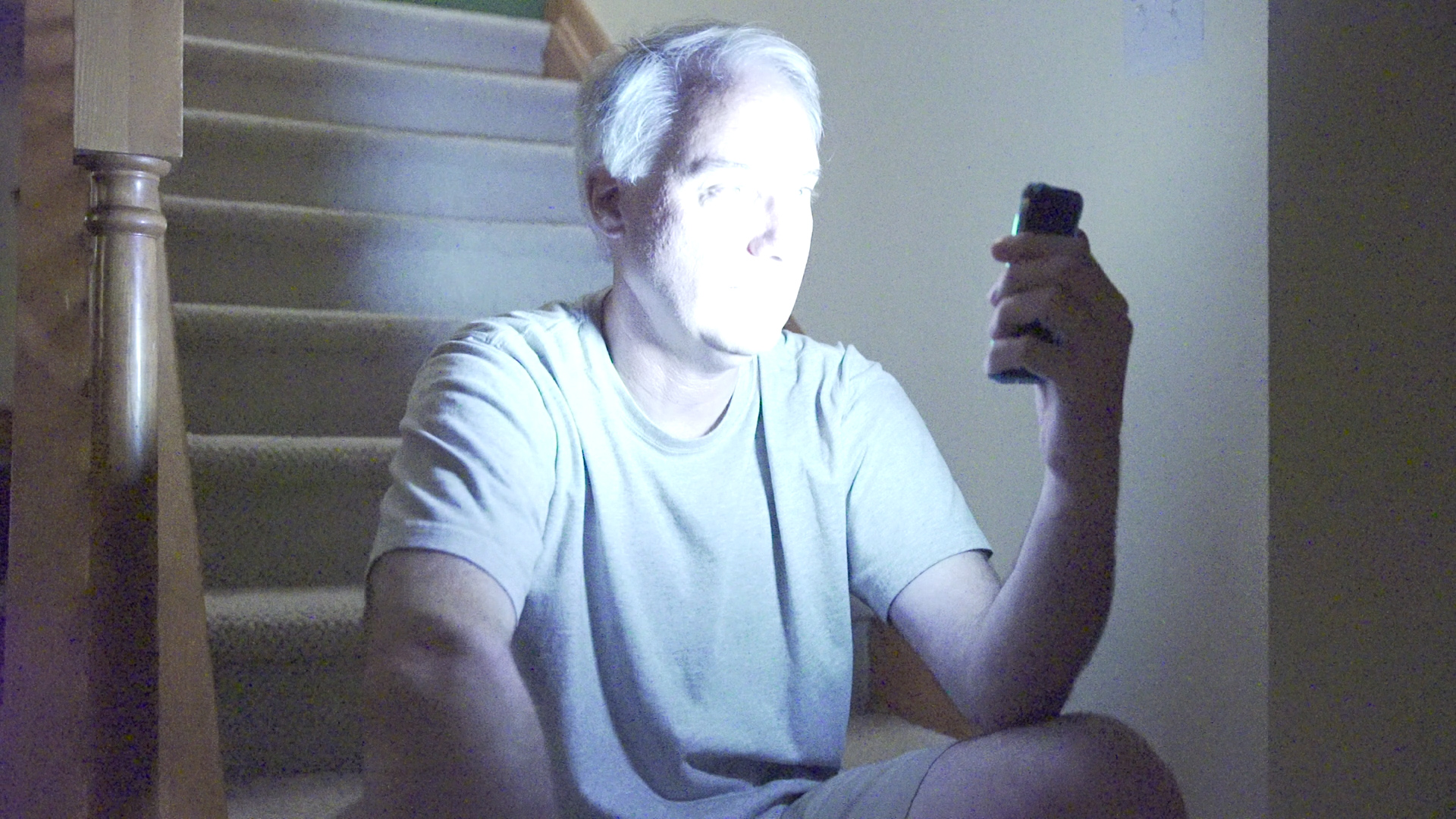
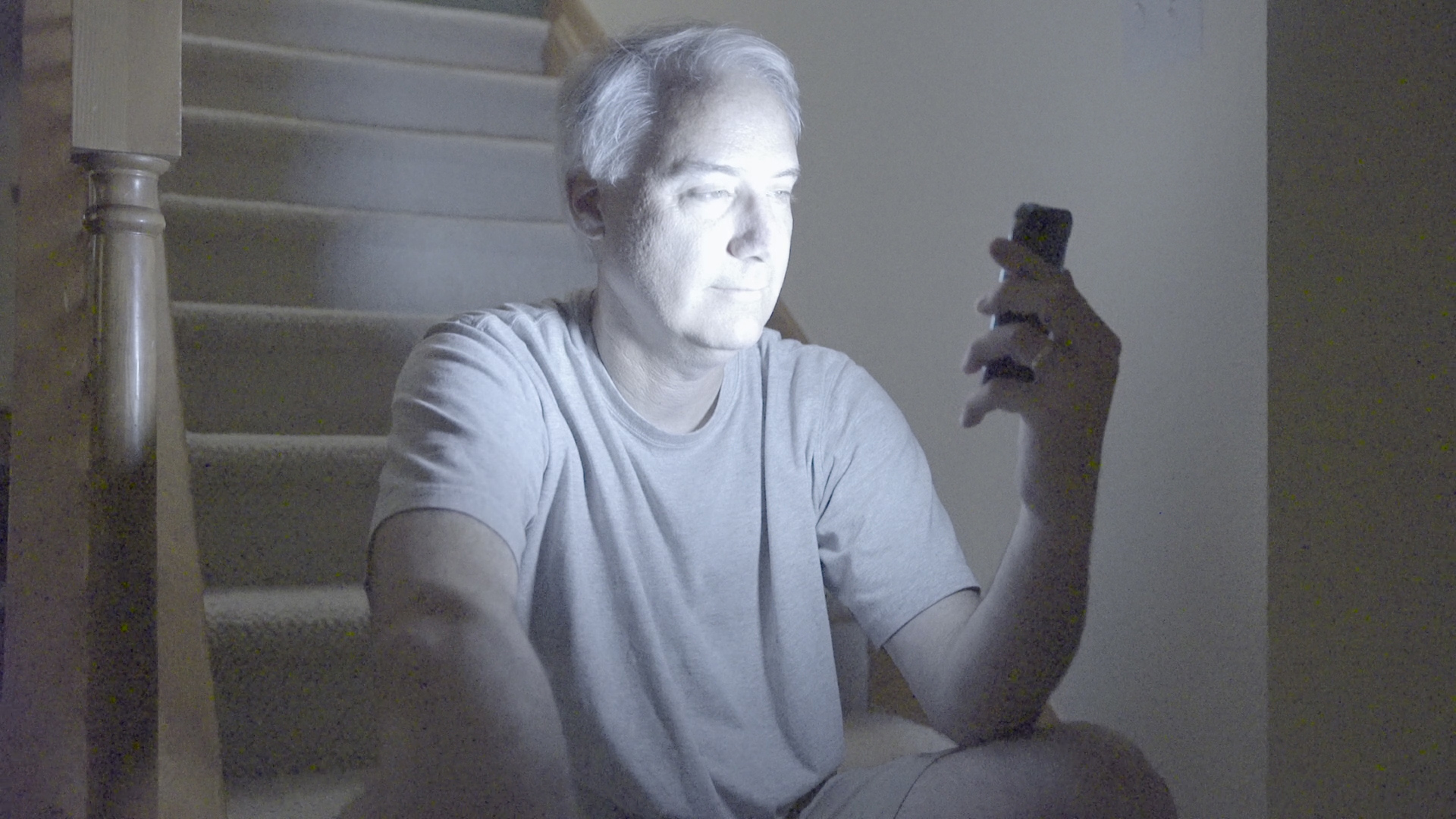
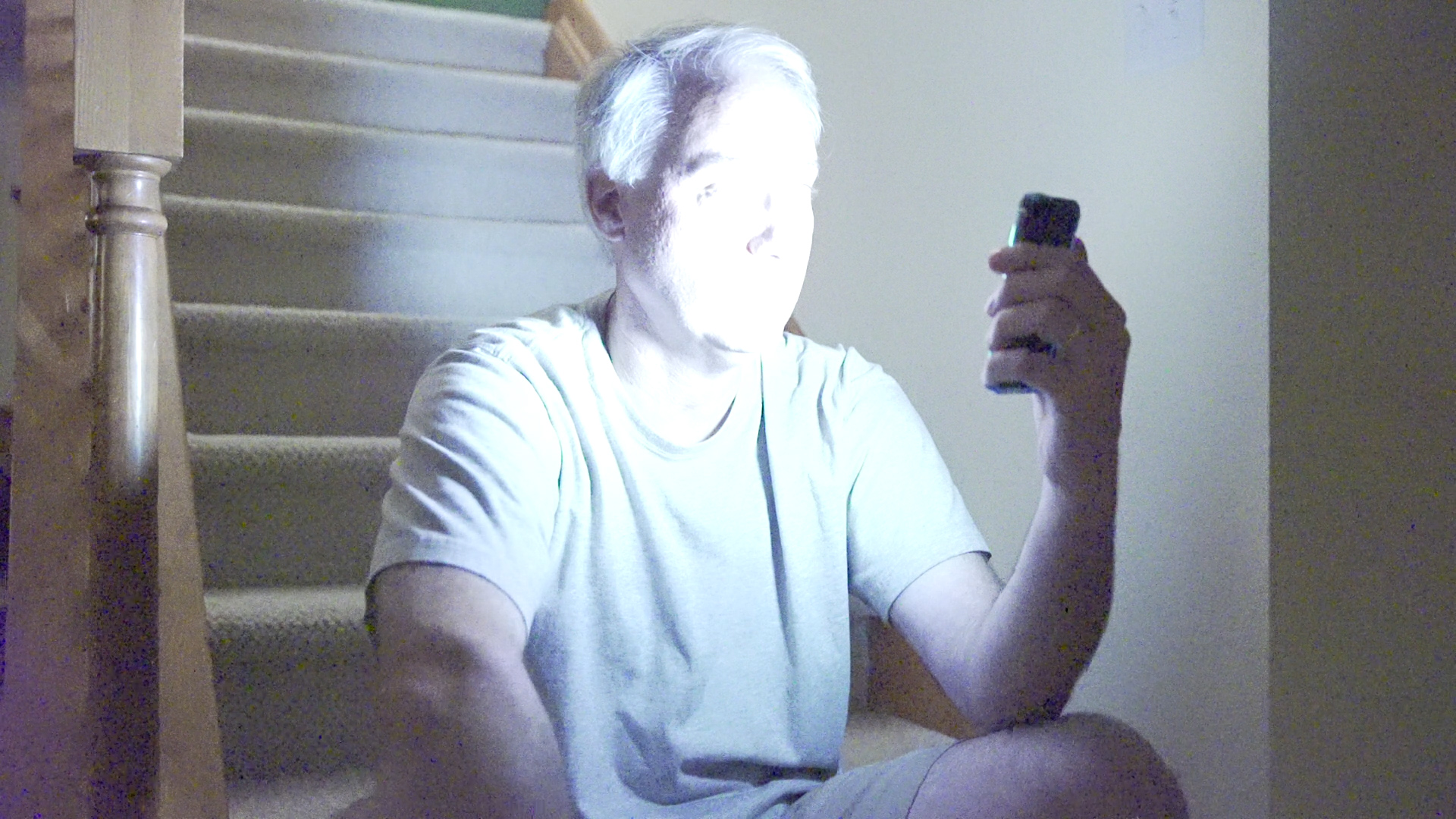
Truly the dynamic range of Slog gets shown off in these low light tests. The Cine4 option just didn’t hold the detail in the same manner!!
Stay tuned, also ahead:
- Dynamic Range Test
- Rolling Shutter Test
- Run and Gun test
Such interesting times in which we live. Get your phones out, it’s time to start lighting!!
Super special thanks to Dave Dugdale at learningdslrvideo.com and Caleb Kohl at chlorofil.biz